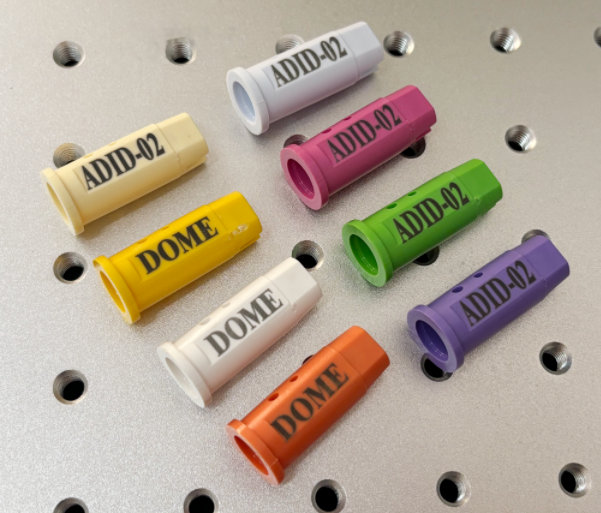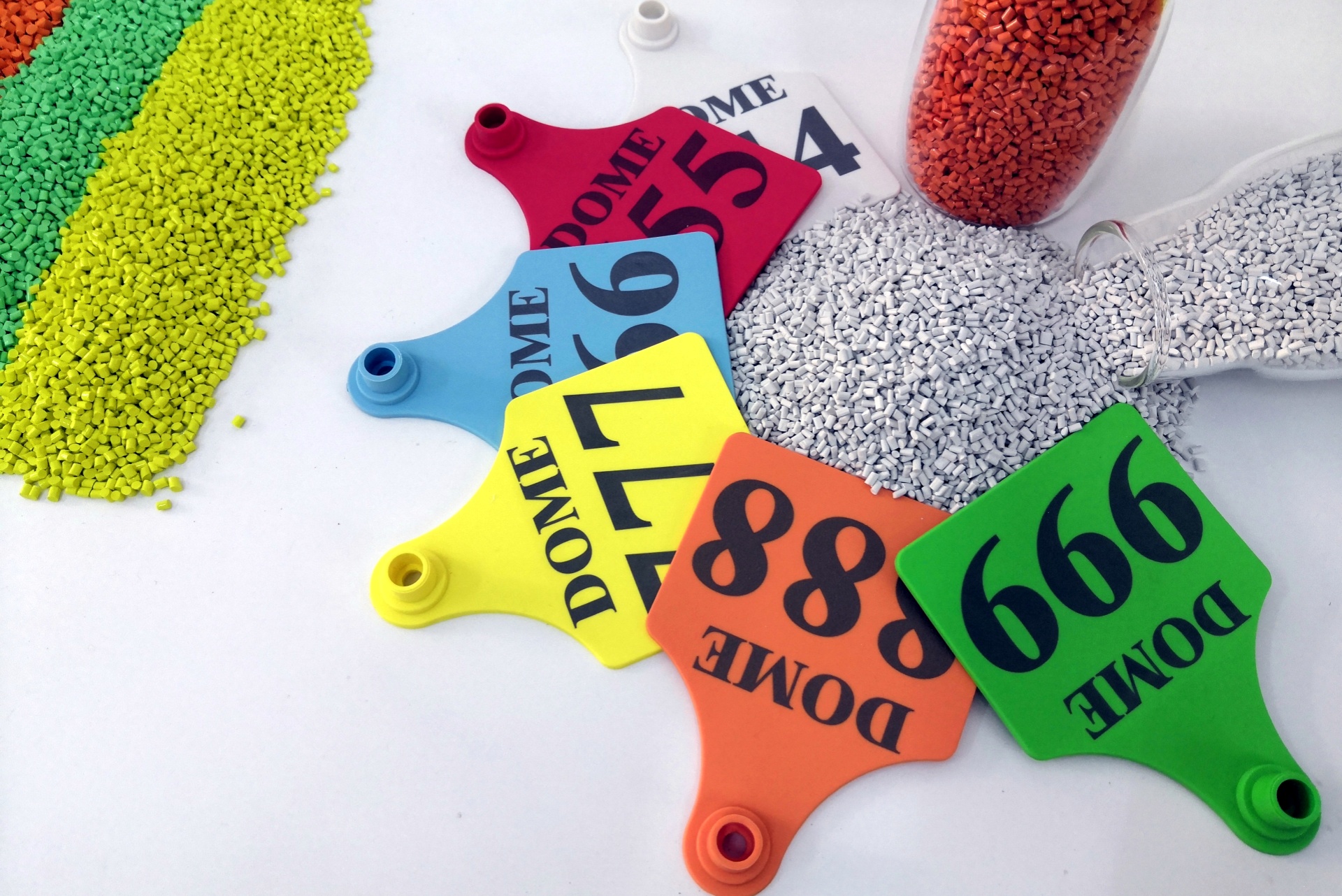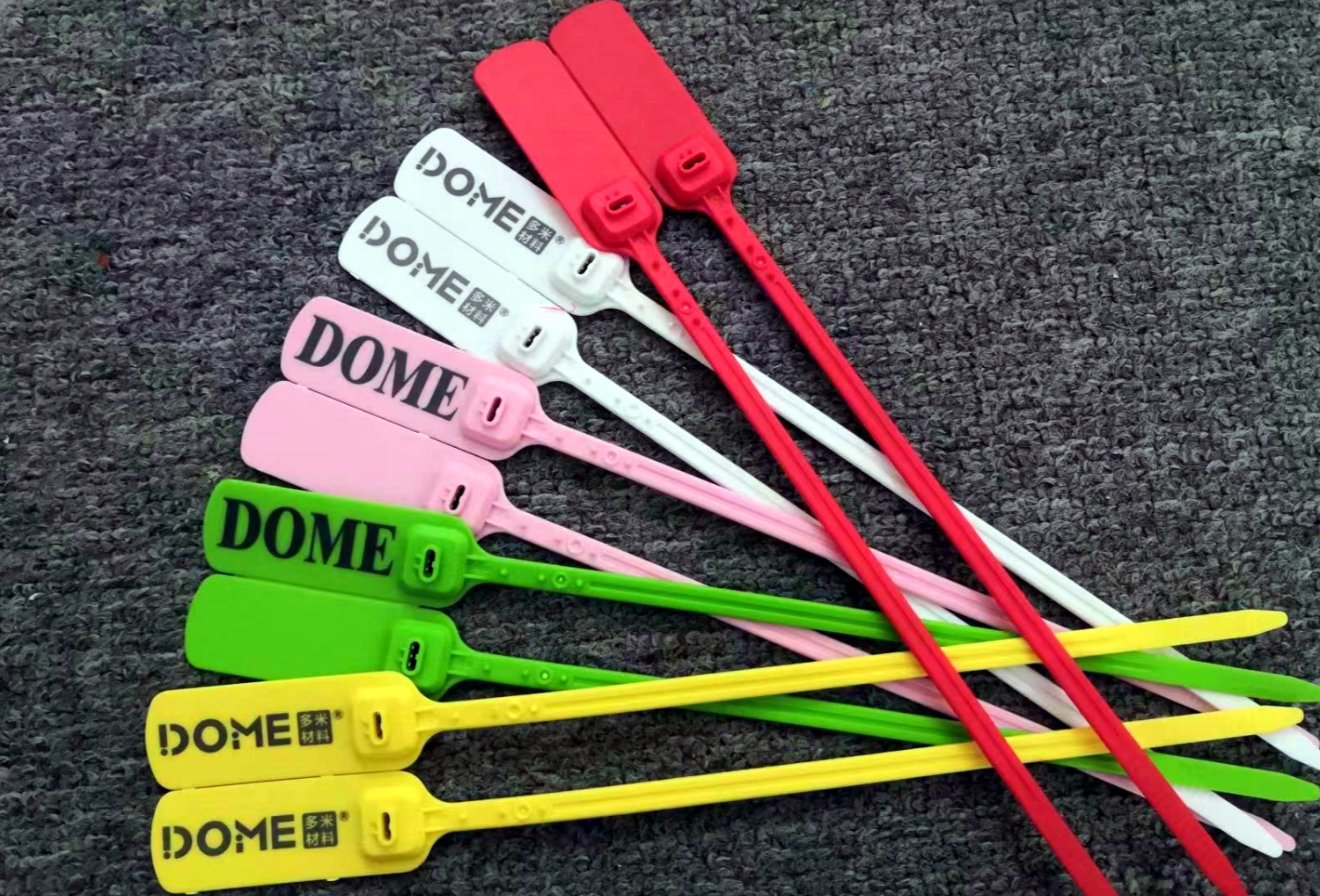
White Paper Highlights the Advantages of Laser Marking in the MDR/FDA era—and How Dome Materials Additive Solutions Help Deliver Permanent Identification.
Why Laser Marking Additives are important ? As the EU MDR and UDI system take effect, the identification of medical plastic components is moving toward permanent traceability. A white paper titled “As Unique as a Fingerprint” notes that laser marking has become the mainstream method for direct part marking (DPM) of medical plastics. As a supplier of laser marking additives, Dome Materials believes laser marking additives will play a critical role in this shift.
Medical Device Materials and MDR Requirements
According to the White Paper, more than half of all medical devices worldwide are made of plastics, with thermoplastics widely used in infusion, dialysis, endoscopy, and other applications. The MDR requires every product to carry a standardized Unique Device Identification (UDI), including a machine-readable bar code or Data Matrix code and a human-readable number, and to be entered into EUDAMED. Compliance dates are May 26, 2021 for Class III and implantable products; May 26, 2023 for Class IIa/IIb; and May 26, 2025 for Class I. Reusable products have an additional two-year window.

Marking Medical Plastics Presents Significant Challenges
Parts are small, space is limited, and they undergo repeated sterilization and cleaning. Marks must be high-contrast, abrasion-resistant, heat-resistant, acid-resistant, and tamper-proof. Traditional stamps can smudge, labels can peel off, and inkjet markings are vulnerable to friction and chemicals. Laser marking is non-contact, consumable-free, and easy to automate, producing permanent marks that are difficult to alter. CO₂, fiber, and YAG lasers can foam, carbonize, engrave, or change the color of plastics. However, materials such as PE, PP, PVC, PS, PU/PUR, PET, POM, PES, PEI, PA, PMMA, and PTFE often lack sufficient contrast and require laser marking additives, pigments, or masterbatches.
Laser Marking Additives can Improve Plastics Absorb Laser Energy
Only when enough laser energy is absorbed can clear, high-contrast marks with sharp edges be produced. They also improve contrast uniformity in transparent and semi-transparent materials and create stable color through changes in the crystal structure of metal ions. For already approved medical products, material changes cannot be made casually, so laser marking additives should be introduced early in the material selection stage.
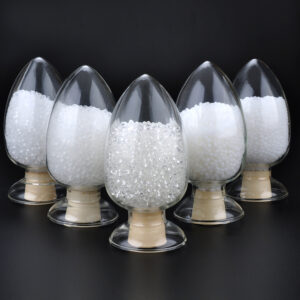
Dome Materials offers masterbatches, additives, and customized solutions to help medical plastics reliably achieve UDI, Data Matrix codes, serial numbers, graduations, logos, and other markings under CO₂, fiber, and YAG lasers, meeting ISO 13485 and MDR requirements for traceability, anti-counterfeiting, and quality assurance.
The Future of Laser Marking Additives in the Medical Plastics Sector
As medical technology places greater demands on safety, transparency, and anti-counterfeiting, laser marking additives are evolving from auxiliary materials into a key enabling technology for compliant identification. laser marking additives are evolving from auxiliary materials into a key enabling technology for compliant identification.
Dome Materials Laser Marking Additive Help Deliver Permanent Identification
Manufacturers must guarantee full UDI compliance before placing devices onto EU and US markets. Non‑compliant marking will result in market access rejection by healthcare buyers and notified bodies. Our laser‑marking additive portfolio supports customers navigating these complex regulations, from initial lab‑scale sample trials to large‑volume compounding and extrusion or injection‑moulding production.
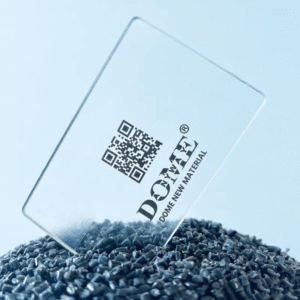
Dome Materials specializes in laser marking additives, masterbatches, and laser-optimized plastic solutions for the medical, packaging, electronics, and automotive industries.We work closely with plastic compounders, medical component producers and laser‑process engineers. Our application laboratory provides free mark‑testing service for customer‑supplied medical polymer samples. We help customers select optimal additive grades and dosage levels to achieve MDR‑compliant DPM marking performance.

If your team faces poor contrast or scanner‑read failures during laser marking on medical plastics for UDI implementation, reach out to our technical specialists for application support.
The full white paper is available here
https://www.schlauchtechnik.de/en/downloads/white-paper